
(note–there is mention of self-harm in this blog)
The first fire of the fall is crackling beside me, a dog at my feet, the sun bursting through the window to my right, so bright I need to turn my head.
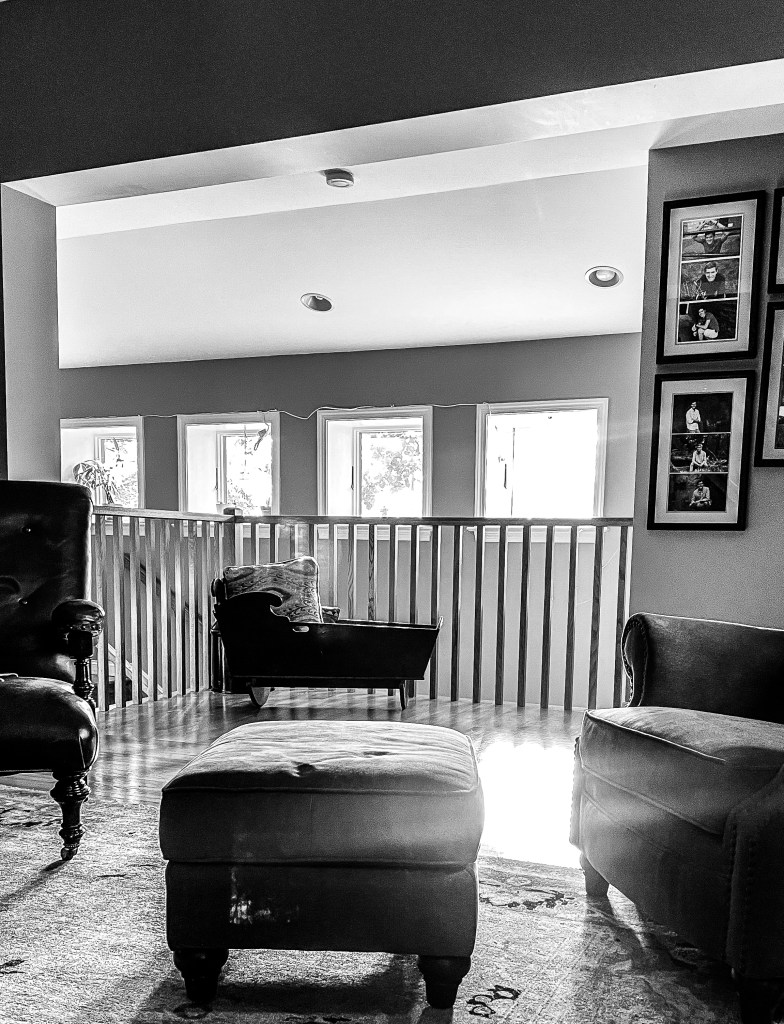
It’s forty-seven degrees fahrenheit outside. Cold enough to notice when I took the dogs out at 5:30 this morning in bare feet.
I am burning spalted maple, hackberry, and some black walnut. My kindling box also includes cherry, sycamore, black locust, and some chestnut reclaimed from a local Amish barn.
This seems a luxurious life, burning expensive hardwood, sitting in a comfortable chair typing on an expensive computer listening to news of a new men’s marathon record on public radio.
I ate shrimp and salmon and beef brisket this weekend. I took two twenty-mile bike rides with my wife on trails that used to be railroad tracks just minutes from our house. I watered our plants. None of them seem close to dying.
The Eagles and the Phillies won. The Browns didn’t play so they couldn’t lose.
I am full of gratitude and I’m taking the time to notice.
I cleaned our chimney this weekend, soot and creosote covering my arms and piling up in the space above the fire box. We have an access panel from the outside so I worked off a ladder, a small cut towel to wipe my forehead. It was cool but it’s close, sweaty work no matter.
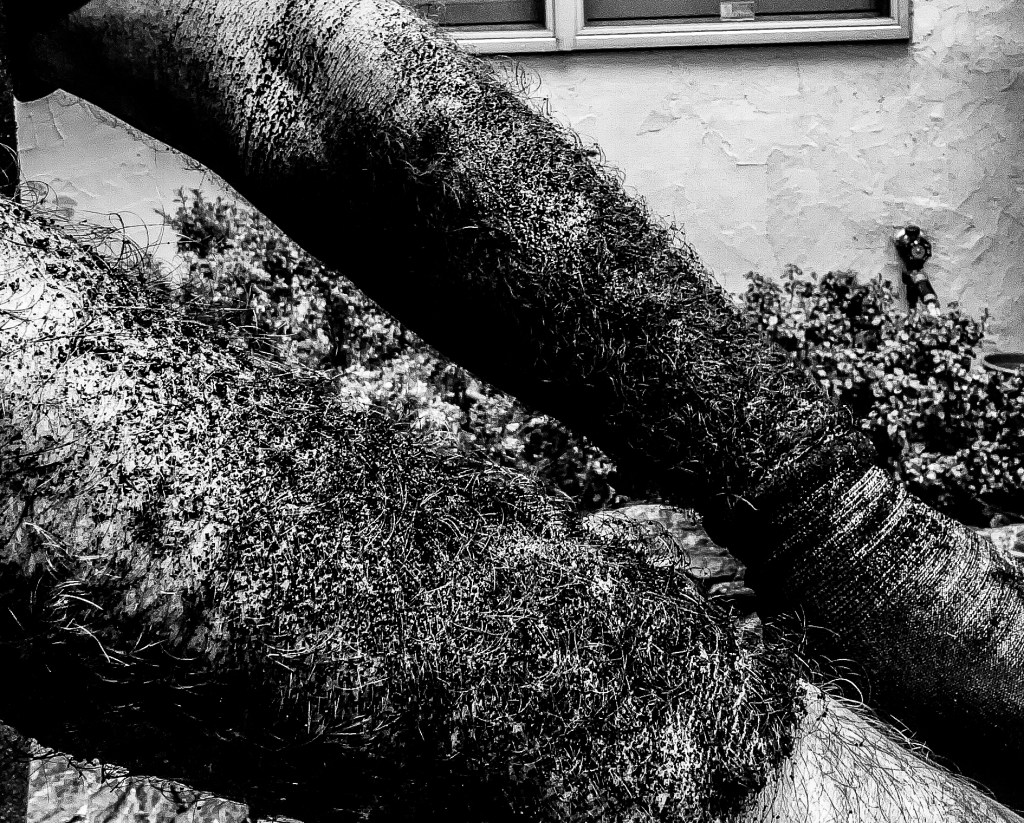
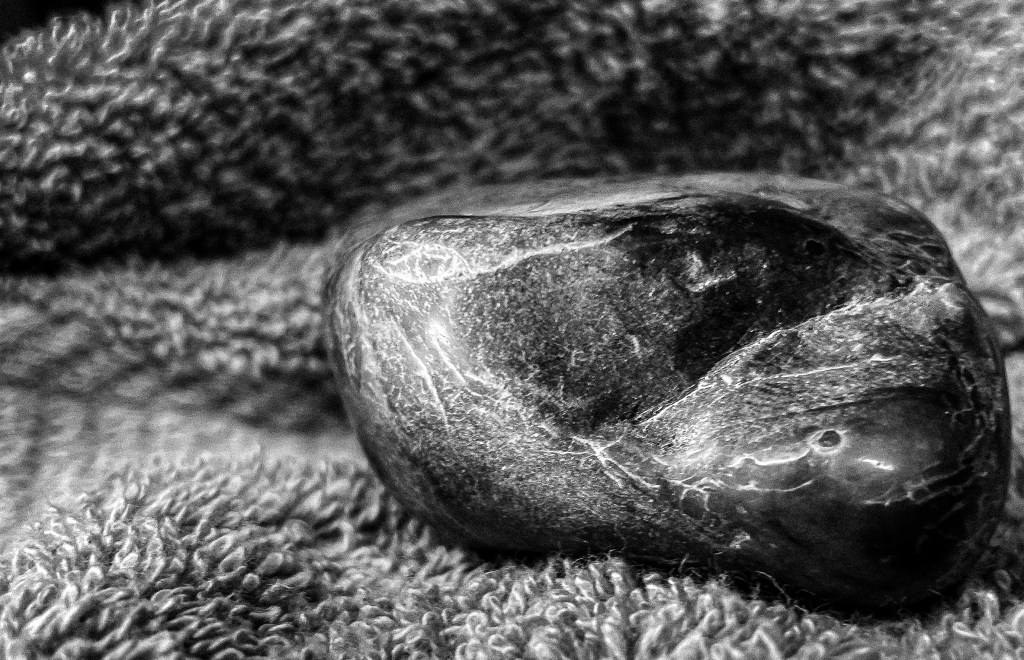
That work spurred the poem I wrote about polishing a rock with sandpaper, about using grit to remove dust and dirt. So much dirt. So much dust.
That poem has a very specific rhyme scheme, which wasn’t initially intentional but which I didn’t avoid as it went that way. I watched a couple of poetry videos recently that suggested no serious poet writes rhyming poetry anymore. One teacher was animated, critiquing a poem and its author aggressively to show what you shouldn’t do. Unforgivable.
Aggressive criticism surrounds us. On social media, in our cars, on the radio, in videos and on television.
It is easy to forget that criticism itself can exist outside of judgment. We can be critical of situations and actions and politics and policy and works of art without attaching the critique to personal animosity and disdain.
There is a cost to living in a world where such judgment is mixed with the gasses in our air. At least there is for me. I simply cannot escape the feeling that if my entire life were revealed it would invite scorn and ridicule. That I’m an imposter.
Shame and fear, sometimes, is the air I breathe. It’s my outside, my inside, my past, my future.
Having written a rhyming poem and knowing some part of the poetry world disapproves is a low-level example of this. It isn’t shame so much as a nagging feeling that I’ve done something wrong.
Perhaps, for some of us, that is the human condition, the cost of the luxury we sometimes feel. As if you can’t have it good unless you have it bad sometimes.
When I was in sixth grade a neighbor boy came down the hill to our ten-acre farm to offer me the chance of a lifetime. “If you take over my paper route,” he said, “you can make tons of money and earn all of these rewards,” showing me a paper with bicycles and rifles and sleds and even a mini-bike.
Mini-bikes were huge in the seventies, tiny small-gas-engine motorcycles you could ride around the alleys and streets of Gas City, Indiana in small gangs of jean-wearing miscreants that stole candy from convenience stores and smoked cigarettes outside the library.
As a miscreant, no one made fun of you. No one picked on you. No one dared.
I wanted a mini-bike.
I told the neighbor boy, “Sure! That sounds great!” He brought me some paperwork that I signed. He was retiring in one month. I couldn’t wait.
When that month passed, he took me out on the route to train me. We started at 5 am. We found the stack of papers in his driveway, tossed out of a van that never stopped. He cut the plastic strap and took out a box of rubber bands. We folded them and put them in the canvas satchel.
He had me carry the satchel. “Gotta get used to the weight. It’s a lot of papers.”
We tossed the papers onto porches or in front of garages. We crossed lawns and our feet became soaked with dew. It took us twenty-five minutes for the first mile. My shoulder hurt. I was quietly crying, wondering what I had done.
We finished four miles later. It had taken over two hours. “I’m going to pass,” I said.
“You can’t pass,” he said, “that’s not an option.
“I can’t do it,” I said. “It’s too much. I can barely feel my shoulder.”
“Too bad, you signed the paper.”
I took the satchel and the rubber bands and walked home, which was close to a mile itself.
As soon as I walked in the door, my dad asked, “How did it go?”
I burst out crying. “That bad, huh?” he said. “Well, you’ll still need to do it.”
“I can’t,” I said. “I just can’t.” Dad just looked at me. His face was expressionless. I now know that was disappointment. I feel that moment of shame just thinking about it. Deep, intense, unrelenting.
I read his mind. ”This is my boy? Where did I go wrong?” He didn’t speak a word, though.
I have no idea what he actually thought.
He called the paper. I couldn’t quit without a month’s notice. In the end, the entire family did the route. Dad drove, my sisters and I jumping out of the VW van to drop papers off.
They resented me. Dad resented me. I resented being me. Especially in the dark mornings, the days that it rained. The days each becoming colder that October. Each day more sure that I was a failure.
I didn’t want to be me. Mom found me sitting in my second story window at some point that month, wanting to jump.
She took me to a therapist. I sat in a big leather chair. He tried to hypnotize me.
The paper route escapade still comes up sometimes when my family gets together. It’s all joking and teasing. I should be over it. I’m fifty-six years old. It is forty-five years later.
At those moments, I’m eleven again. A weak, scared, miserable little boy.
Whenever I hear someone being shamed for their behavior, I cringe. I do it myself, of course, join in discussions of teachers or dads or men or humans that did this or that, or didn’t do this or that, or should have done this or that.
And I continue to think I should have or should not have done this or that.
Sometimes. I can sometimes laugh things off.
My life is a beautiful, flawed adventure full of being human. It always has been.
Moments of pure joy. Moments of sadness. Lots of in between.
If you are hurting, talk to someone. Ask for help. Dial 988.
I talk to my eleven-year old self now. I tell him it’s ok to be human. It’s ok to be scared. I remind him that this moment didn’t exist independent of other circumstances. Our dad had just spent a month in a mental health facility after open-heart surgery. Our horse had just been hit by a car. Our cat Grayball had just died. I had intense school phobia.
And I remind him that it is ridiculous that a newspaper company could force an eleven-year-old to walk a two-plus-hour paper route for two dollars a day no matter what he signed.
I show him my arms covered with soot from the chimney.
We walk over to the hose and I hand him the garden sprayer.
We wash away that soot down our long, steep driveway.
Toward a stream somewhere, then a river, the ocean, the bottom of the ocean.
Someday sediment. Someday a rock.
Someday, perhaps, polished and become a poem.

 The Poet Projects
Leave a reply to Joellen Rowe Cancel reply