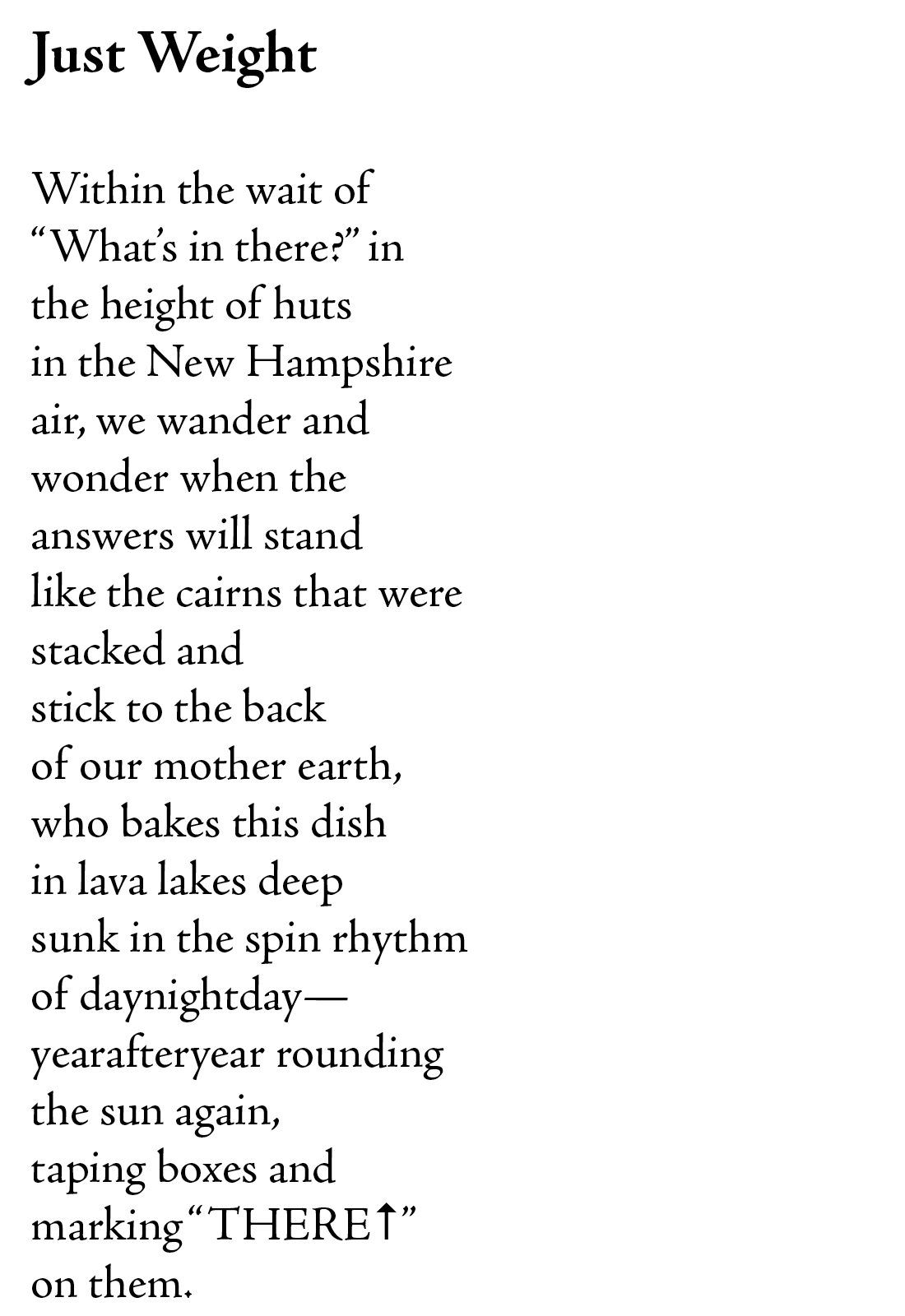
Having not written a poem in a week or so, I sat down today–after reading several poems to set the mood in my mind–and just started writing for fun.
Fun for me was a lot of rhyming and then going back and looking to see if I happened upon any meaning and substance.
I think I have, actually, though it doesn’t make sense to me how I got there.
It is a bit ironic to me that I came up with this poem, a poem that resists greatly a quick reading for anything other than auditory wonder, after reading poems from Billy Collins’ Poetry 180.
I read several poems–Joseph Millar’s “Telephone Repairman”, Marc Peterson’s “What I Would Do”, Christina Pugh’s “Rotary”, Mark Halliday’s “Sax’s and Selves”, Diane Wakoski’s “Black Leather Because Bumblebees Look Like It” (I can’t find a link to this excellent poem)–but the poem that most influenced me was Kate Knapp Johnson’s poem, “The Meadow”.
Johnson’s poem is short (ten lines, three stanzas) and clever–a bit of rhyme, some word creation “withness”, some odd punctuation (the ninth line, “for you?, who would never leave me,”).
But the poem is about being in search of something–in this case wanting to know “just one true thing about the soul”–and examines the headspace of looking for that “thing”, getting lost in the process and leaving “thinking for thought”.
That part, “but I left thinking for thought”–that’s the phrase that put me directly on the first lines of this poem. I could hear similar phrases come to my mind, so I wrote them down: “within the wait”, “height of huts”, “wander and wonder”, and “stacked and stick”.
Also, the idea of having a question within the poem itself. Here the answer to that question–“What’s in there?”–is the title of the poem–“Just Weight”.
There is a lot of complication here for sure. For instance, why does the sun tape up boxes? What is this dish that our mother earth makes?
I asked ChatGPT to help me better understand how “dish” is important to the poem, how the poem turns on that word and how the beginning and ending of the poem work around it.
This is the most interesting thing about this poem to me–using the word “dish” makes the poem so much better, allows it to fill with meaning and substance–except that the word dish when I first wrote the poem was more of a placeholder–a word I put in while the poem was still spilling out.
If you want to read the entire exchange, you can use this link.
And on the other hand, the poem doesn’t necessarily mean anything–the reader gives the poem meaning, if there is meaning to be found.
I am happiest that the poem is fun to read out loud. In that sense it is a bit of a kid’s poem, at least the way we tend to think of poems for kids.
I am continuing to work on my book of poetry, though I am making very slow progress. I’ll update soon.
Thanks for stopping by!

 The Poet Projects
Please leave a reply! No need to sign in :)