
I discovered the poetry of Heather McHugh this morning while reading the book Word of Mouth, a collection of poems and poets featured on NPR’s All Things Considered.
The book presents four of her poems, “The Size of Spokane”, “Unguent”, “What He Thought”, and “High Jinx”.
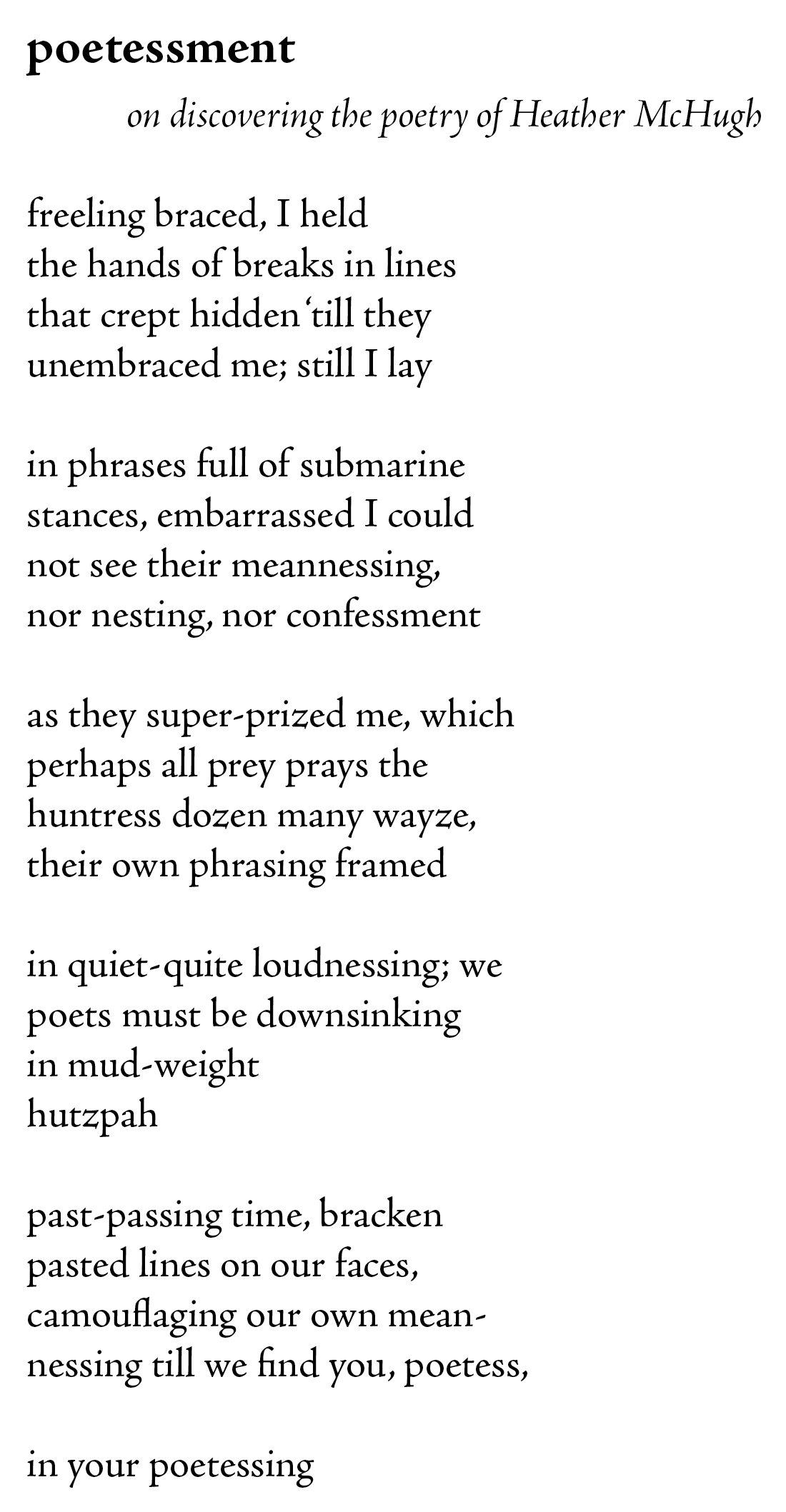
“High Jinx” is the poem that I read several times before writing the poem I present here, “poetessment”. Reading a poem this way, thinking about it, letting it imbue me, breathing it–it places me into a frame that I might call “writeessment” if I may.
I haven’t done this process much, so maybe I don’t get to coin a word for it. It is what I did for the poetry of Rupi Kaur recently, what I’ve done for a couple poems I wrote in the style of Emily Dickinson.
In this case though something else happened. This poem isn’t written in McHugh’s style. It is influenced by it or maybe the better word is “trained”, the way an AI is trained when it reads and looks at writing and art.
It’s brazen to say that I did this, considering I did it all (writing, revising, creating this post) just this morning in the span of about two hours+. I read a couple more of McHugh’s poems but though I’ve ordered a couple of her collections I have not truly read enough of her poetry to think I’ve really captured the essence of her brilliant work.
But as for a process, as for creating something that, as I wrote in the poem “respection”:
a poem’s job/is to say/what could not/be said/otherways/for those/who take time/to listen
as for doing this, it works.
I do a lot of making up words here. Maybe too much. But maybe too little, as I was tempted to do much more of it.
I think that I found a good, medium amount of coinusage.
I wrote this poem in one fell swoop, which is unusual for me, except when I composed a few of my “Hard Twenty” poems where I gave myself only twenty minutes as a challenge.
This poem was written in nine minutes which I know because of the history feature of Google docs. I was very much in the flow state, though, and otherwise could not tell you this. I lost sense of time and felt a rush, an explosion of thought.
The poem spins on the idea of hunting for poetry, in this case “freeling braced” which means many things to me. “Freeling” implies the words “free” and “feeling” or “feeling free” for me, but originally was just “feeling”. Maybe it is better as just feeling, but I also think the word means something else which I can’t truly define. In other words, it feels right.
The word “braced” means two things–holding on to something in preparation for some force to come, but also locking your muscles to remain still and quiet, as you might when you hunt in the grass or in this case, mud.
I suggest in this stanza though that this could also mean “embraced”. I allude again to these words with the word “bracken” in the last full stanza. Bracken there can mean a few things too–the color of the poetry lines that are imprinted on the narrator’s face but also the lines of camouflage that the narrator (hunter) has on their face to conceal themselves for the hunt.
The hunting imagery, I think, is pretty clear. I am trying to describe the narrator at once as the huntress, but also as the hunted or prey in stanza three.
I think as a poet we want our poems to be hunted, for people to engage with them, to search for poetry until they find one they admire, adore and then capture. In that sense, the poet is hunting for readers, for engagers. The poet I speak of here might also just be the dis-poeted poem itself.
My two favorite created words here are “meannessing” and “poetess”.
“Meannessing” implies giving meaning to the poem but also that the poem is putting emotion in the poem but also that the poet is being “mean” as in “that is one mean chili!” but also that the poet is trying to find the middle point between being opaque and expressing thought in a way that is accessible, the middle ground, so to speak.
And maybe more. I did not directly know that this word would have layers and be so rich with context. But I did know it was special and that it belonged here. I even used it twice, part of hinting that the hunter is also the hunted or that the hunter is also a poet herself.
“Poetess” is a female poet in the way that a huntress is a female hunter and also implies that the poet is a hunter, something I very much intend here. Poetess also means have the essence of a poet.
And I think the word means other things, but I leave that to my readers to assess.
It feels unusual to me that this poem, having been written so quickly, might be layered in so many ways, might suggest richness and might, I hope, do the thing that is foremost in my hope, express my appreciation for Heather McHugh.
I’m very curious to find out, at this point, what the WordPress AI will create as a reaction to this poem. Here we go:
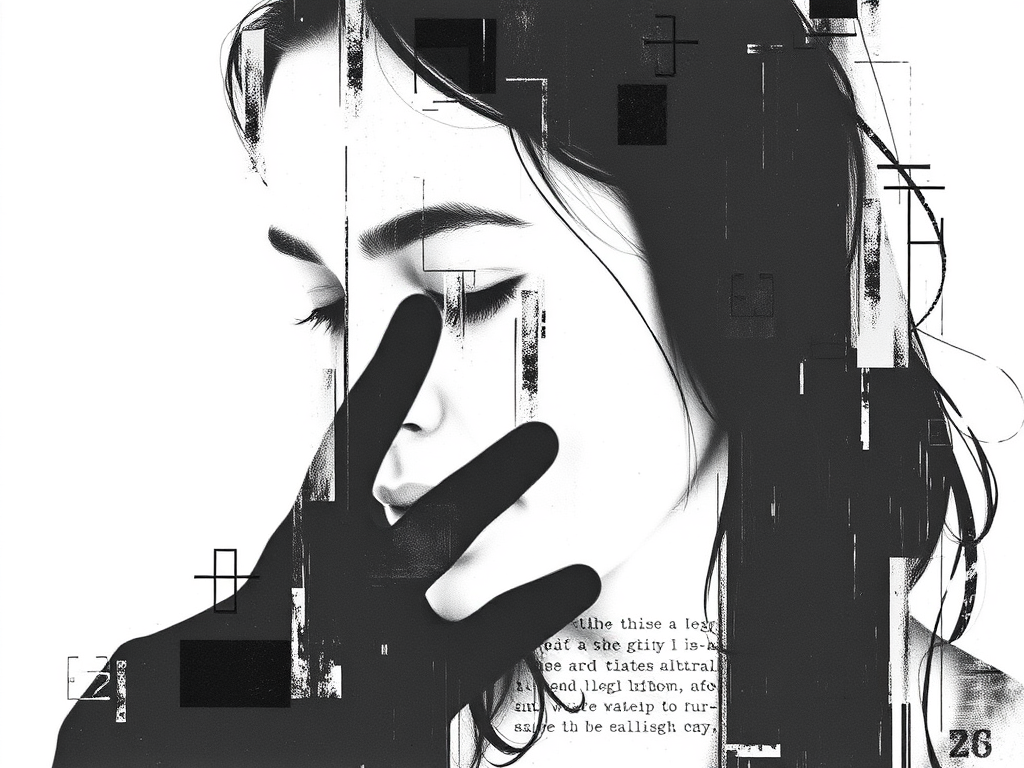
Well. That’s unexpected. But interesting.
The featured image here is a shot I took of the rotunda at the U.S. Capitol building. For the tour I took we had headsets on and I took the opportunity to wander around and take a bunch of pictures I hoped would be interesting and would lend themselves to creative editing.
I think that I ended up with a blue hue here, but it might just be gray. I experimented a bit more than normal with the tools in Lightroom. I don’t know if it happens for you, but the hexagon depressions in the roof look like protruding buttons as my perspective changes. That’s an optical illusion but I like illusions a lot.
 The Poet Projects
Please leave a reply! No need to sign in :)